Most single garage doors are 8 or 9 feet wide and 7 or 8 feet tall. Two-car doors are often 16 feet wide. The answer to what are standard size garage doors depends on your opening, vehicles, storage plans, and safe clearance. Careful measurements help prevent ordering the wrong door for your Cumberland property.
Table of Contents
- What Are Standard Size Garage Doors?
- How Do You Measure a Garage Door Opening?
- What Garage Door Size Do You Need for One Car?
- What Size Garage Door Is Best for Two Cars?
- How Much Garage Door Headroom and Side Room Are Required?
- Are Custom Garage Door Sizes Available?
- How Do You Choose the Right Garage Door Size?
- Frequently Asked Questions
What Are Standard Size Garage Doors?
Standard garage door sizes are common width and height choices for many home garages. A single garage door often measures 8 or 9 feet wide. Common heights are 7 and 8 feet. A double garage door often measures 16 feet wide and 7 or 8 feet tall.
These sizes fit many homes, but they do not work for every property. Older homes, detached garages, workshops, and converted spaces may have different openings. The door panels, tracks, springs, and opener must all match the space that is available.
Common single-car garage door widths and heights
A single-car garage door is often 8 feet wide by 7 feet tall. Another common choice is 9 feet wide by 7 feet tall. Some homes use an 8-foot height when the walls are taller or the owner wants more room above a vehicle.
An 8-foot-wide door may work well for a small car. It can feel tight for a truck or SUV. A 9-foot door gives the driver more room to enter, leave, and open the car doors. The best garage door size leaves safe room on both sides.
Common two-car garage door dimensions
A two-car garage often has one 16-foot-wide door. An 18-foot door may work better in a larger garage or for wider vehicles. Two separate 8- or 9-foot doors are also possible.
The door style can affect the final choice. Sectional doors, carriage-house doors, and doors with windows may fit standard openings. Their weight and track needs can still differ. Cumberland Garage Door Repair can help Cumberland homeowners compare sizes before choosing a replacement door.
How Do You Measure a Garage Door Opening?
To measure a garage door opening, begin with the finished width and height. Then measure the spaces above, beside, and behind the opening. These measurements show whether a replacement door and its hardware can fit safely.
A tape measure, pencil, and notepad are enough for a first check. Measure more than one place because walls and frames may not be perfectly square. Even a small difference can affect the fit and the track position.
Measurements to take before choosing a door
Measure the width from the inside left edge to the inside right edge. Measure the height from the finished floor to the top of the opening. Take both measurements near the edges and near the center. Write down the smallest usable width and height.
Next, measure the headroom above the opening. Headroom means the clear space between the top of the opening and the ceiling or nearest object. Measure the sideroom on both sides. Sideroom means the clear wall space where the vertical tracks and brackets may sit.
Also measure the backroom. Backroom means the distance from the opening to the rear wall. It must allow room for the door sections, tracks, springs, and opener. Note lights, beams, ducts, shelves, and storage racks that may get in the way.
Why the rough opening and door size may differ
The rough opening is the framed space made for the garage door. The finished opening is the usable space after trim, seals, and other materials are added. These measurements may be different, so the door size may not match the outside frame.
A replacement door may also need new tracks, brackets, seals, or an opener. The frame may have shifted over time. A trained garage door professional can check the opening, frame, and hardware before the door is ordered.
What Garage Door Size Do You Need for One Car?
A single-car garage usually needs an 8- or 9-foot-wide door. The right width depends on the vehicle and the driver’s comfort. Trucks, wide SUVs, and vehicles with large mirrors often work better with the wider choice.
The door should let the vehicle enter without many corrections. It should also leave room for walking around the vehicle. A door that is large enough on paper may still feel tight when the garage holds bikes, tools, bins, or lawn equipment.
Choosing a width for cars, trucks, and SUVs
A compact car may fit well through an 8-foot door. A midsize SUV or pickup may be easier to use with a 9-foot door. Large trucks, work vans, and vehicles with wide mirrors may need more width or a taller opening.
Vehicle height matters as well. Roof racks, cargo boxes, antennas, and lifted suspensions can change the needed clearance. Measure the vehicle at its highest point and leave safe room above it. Check the garage floor for slopes that may change the effective height.
When a single-car door needs extra clearance
Extra clearance helps when the garage has narrow walls, weak lighting, or storage along the sides. It may also help people who carry children, load tools, or open vehicle doors inside the garage. A wider opening can make daily use easier.
Making an opening wider is not always simple. Wall framing, wiring, siding, and roof loads may limit the space. Garage Door Installation should be planned around the structure, not only around the vehicle.
What Size Garage Door Is Best for Two Cars?
A 16-foot-wide garage door is a common choice for two cars. An 18-foot door may give more room in a larger garage. Two separate doors, often 8 or 9 feet wide each, can also work when the structure allows them.
One wide door gives the garage a broad opening and a simple front view. Two doors can offer more control and less open space during daily use. They can also give the home a more traditional look. The best choice depends on the frame, driveway, vehicles, and daily needs.
Single wide doors versus two separate doors
One wide door can make parking easier when both vehicles use the same drive. It may also provide a clean front view and remove the need for a center post. The door, springs, tracks, and opener must be sized for the wider system.
Two separate doors may use smaller moving sections. One door can open while the other stays closed. This may help with access and security. Two doors may also need separate openers, more wall space, and careful center support planning.
Planning space for vehicles, storage, and movement
The opening is only one part of a two-car garage plan. Think about walking paths, workbenches, shelves, bikes, freezers, and trash bins. Vehicles need enough space for doors to open without striking walls or stored items.
The driveway matters too. A wide door may be hard to approach when the drive is narrow or sharply angled. Cumberland Garage Door Repair can help property owners review the opening and choose a practical size for the space.
How Much Garage Door Headroom and Side Room Are Required?
Garage door headroom and side room vary by door type and hardware. Many standard systems need several inches of clear space above and beside the opening. The exact need depends on the tracks, springs, opener, and ceiling shape.
Headroom is the space above the door opening. Sideroom is the wall space beside it. Backroom is the depth behind the door. All three areas must stay clear so the door can move without hitting lights, beams, ducts, shelves, or vehicles.
Headroom, backroom, and sideroom explained
A standard lift system uses tracks that rise above the opening and then run across the ceiling. It needs enough headroom for the tracks, rollers, springs, and opener. Low-headroom hardware can help in some garages, but it may change the setup and work needed.
Backroom must fit the open door and horizontal tracks. A short garage may need another track design. Sideroom must fit the vertical tracks, cable drums, brackets, and spring parts. Narrow walls can limit the choices.
Clearance considerations for different opener systems
A ceiling-mounted opener needs room along the ceiling and above the door. A wall-mounted opener may help when the ceiling has low clearance or storage. It still needs compatible hardware and enough side space for the drive system.
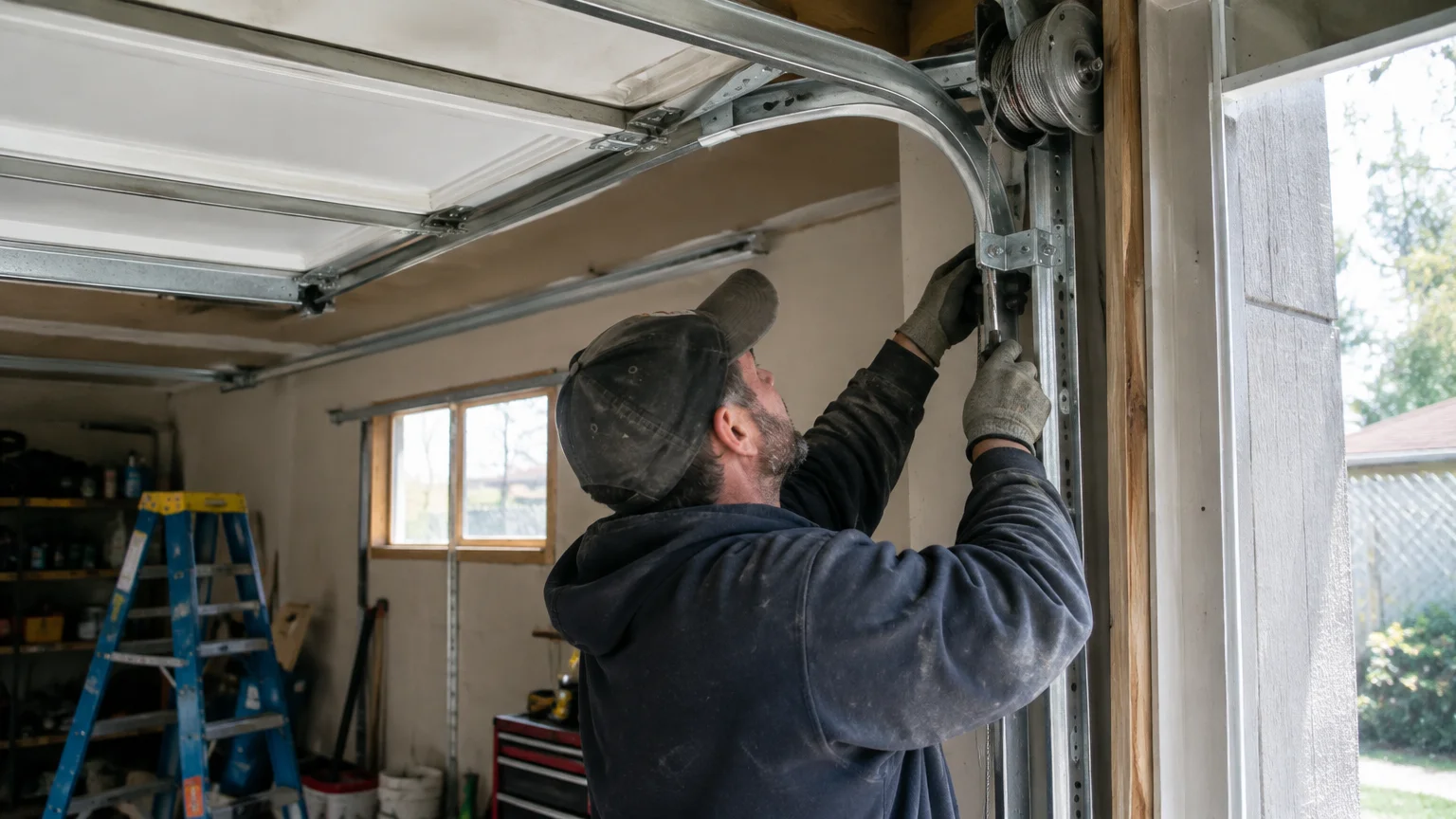
The opener is only one part of the safety setup. Springs and cables carry much of the door’s weight. They can cause serious injury if adjusted without the right tools and training. Garage Door Opener Repair may be needed when an existing motor does not match a replacement door.
Are Custom Garage Door Sizes Available?
Custom garage door sizes are available for many homes and buildings. They may help when an opening is unusually wide, tall, narrow, or shaped by older construction. A custom door can also preserve an existing opening when major frame changes are not wanted.
Custom sizing does not mean every opening can accept every door. The frame, ceiling, tracks, springs, panels, seals, and opener must work together. Some designs may have longer wait times or fewer panel and window choices.
When a nonstandard size may be the right choice
A nonstandard door may suit a historic home, detached workshop, boat garage, or tall vehicle bay. It may also help when the garage has an unusual roof line or limited side walls. Compare the value of a custom door with the work needed to change the opening.
The door’s use should guide the decision. A garage used for storage may need a different height from one used for a tall truck. A business or property manager may need a wider opening for equipment or regular deliveries.
How custom sizing affects installation and replacement
Custom sizing can affect panel design, window placement, track length, spring choice, and opener fit. Replacement parts may need to match the exact door model. Clear records and accurate measurements can make future repairs easier.
An old opening may need repairs before installation. Damaged framing, worn seals, bent tracks, or an off-track door should be handled first. A professional can explain which parts must change and which parts may safely stay in use.
How Do You Choose the Right Garage Door Size?
The right garage door size fits the opening, vehicles, hardware, and daily habits. It should provide safe clearance without forcing major structural changes. Careful measurements are more useful than choosing a size based only on a nearby garage.
Think about both current and future needs. A small car today may later be replaced by a truck or SUV. Storage plans can change too. Choosing enough usable room now may prevent another door change later.
A practical checklist before ordering
- Measure the opening width and height in several places.
- Check headroom, sideroom, and backroom for clear space.
- Measure the tallest vehicle and all roof-mounted equipment.
- Note beams, lights, ducts, shelves, wiring, and other objects.
- Decide between one wide door and two separate doors.
- Check whether the current opener matches the new door.
- Review panel, insulation, window, and color choices.
Base the final size on the smallest reliable opening measurement. A door that is too large can bind or fail to seal. A door that is too small can leave gaps, reduce security, and create more work around the frame.
When to ask a garage door professional to verify measurements
Professional help is wise when the opening is uneven, the ceiling is low, or the framing is damaged. It is also important when springs, cables, tracks, or an opener must change. These parts work as one system, so a wrong measurement can affect safety.
Cumberland Garage Door Repair serves homeowners and property owners across the main Cumberland area, including Homewood, Locust Grove, Ridgeley, Frostburg, Wellersburg, Hyndman, and nearby communities. If a garage door is stuck, off track, or unable to open, prompt help can protect access and security while the right repair or replacement plan is checked.
Frequently Asked Questions
What are standard size single garage doors?
Common single garage doors are about 8 or 9 feet wide and 7 or 8 feet tall. The best size depends on the vehicle, wall space, and garage layout. A wider door may make entry easier for trucks and SUVs, while a smaller opening may suit a compact car.
How wide are two-car garage doors?
A two-car garage often uses a 16-foot-wide door. Some larger garages use an 18-foot door. Two separate doors may also work, with each door commonly measuring 8 or 9 feet wide. Check the framing and driveway before choosing one wide opening.
How tall are standard garage doors?
Many standard garage doors are 7 or 8 feet tall. Taller doors may be needed for trucks, vans, roof racks, or high ceilings. Measure the vehicle with all equipment attached. The opening must also have enough headroom for tracks and hardware.
What size are standard garage door rollers?
Garage door rollers come in different stem lengths, wheel sizes, and bearing designs. The correct roller depends on the track and door system, not just the door width. A worn or noisy roller should be checked before replacement because the track may also be bent or damaged.
Who services garage doors near me?
Local garage door companies may handle installation, maintenance, off-track doors, cables, springs, and openers. Look for a provider that serves the property area and explains the needed work clearly. Cumberland Garage Door Repair can help customers review repair and replacement needs.
Key Takeaways
- Single garage doors are often 8 or 9 feet wide.
- Two-car doors are commonly 16 feet wide, with larger choices available.
- Height, headroom, sideroom, and backroom all affect the final fit.
- Vehicle size and storage plans should guide the choice.
- Professional measurements can help prevent fit and safety problems.
Conclusion
Choosing a garage door size starts with careful measurements and clear planning. Standard sizes work for many homes, but vehicle height, wall space, ceiling clearance, and storage needs can change the best option. The opener, springs, tracks, panels, and seals must also match the door.
Cumberland Garage Door Repair helps Cumberland property owners understand their choices before a repair or replacement. Contact us today to verify the garage opening and address urgent access or security problems before they become harder to manage.